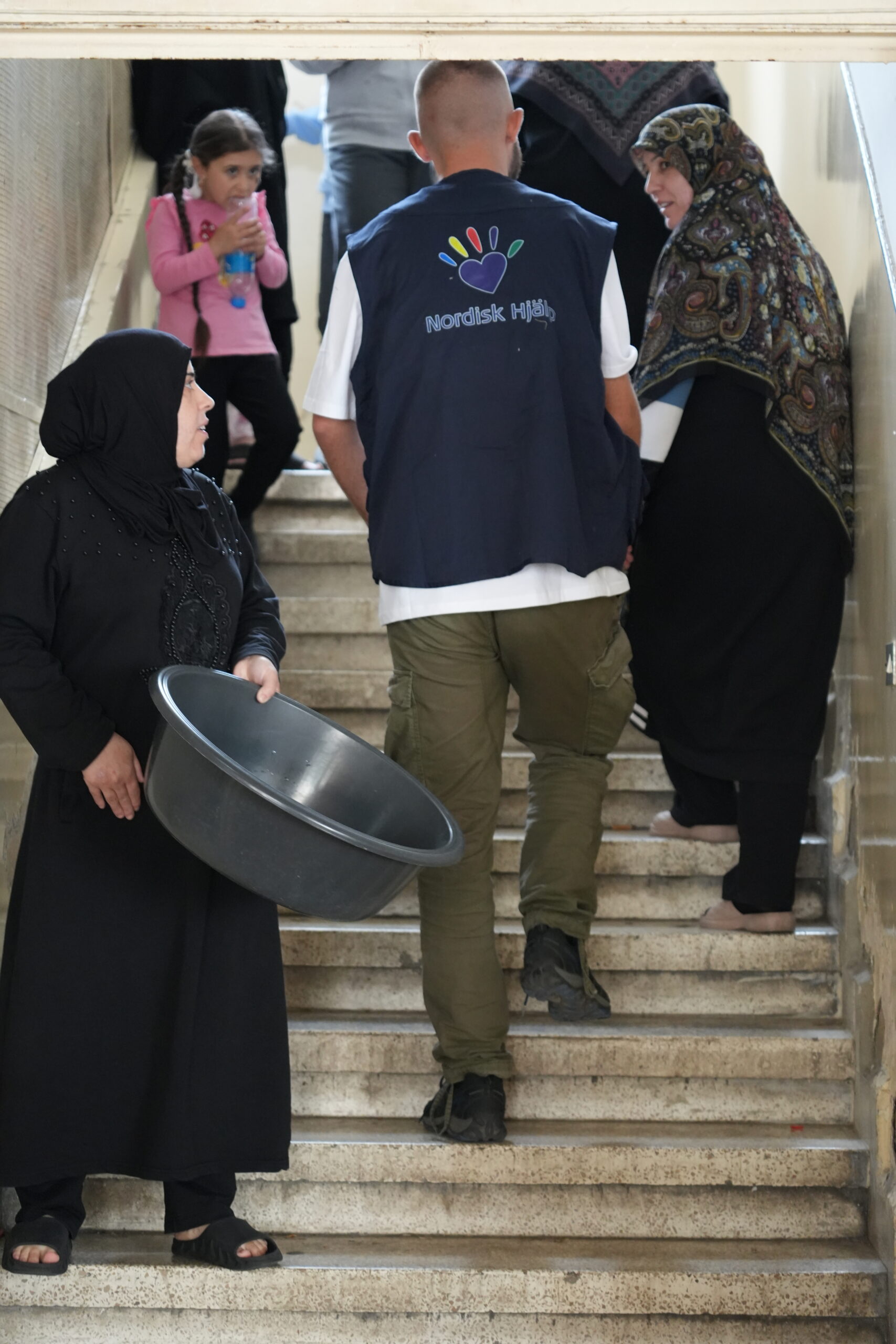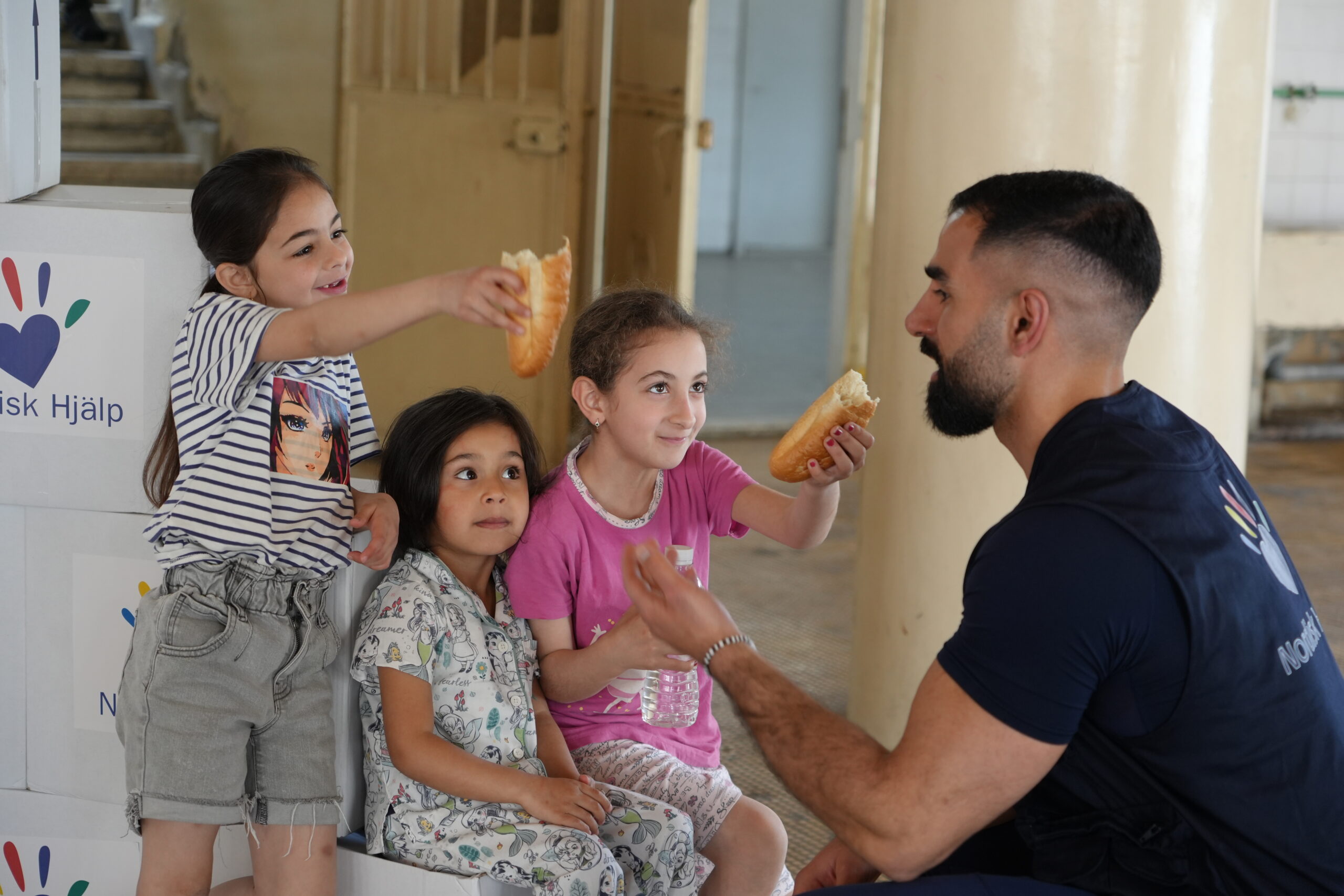
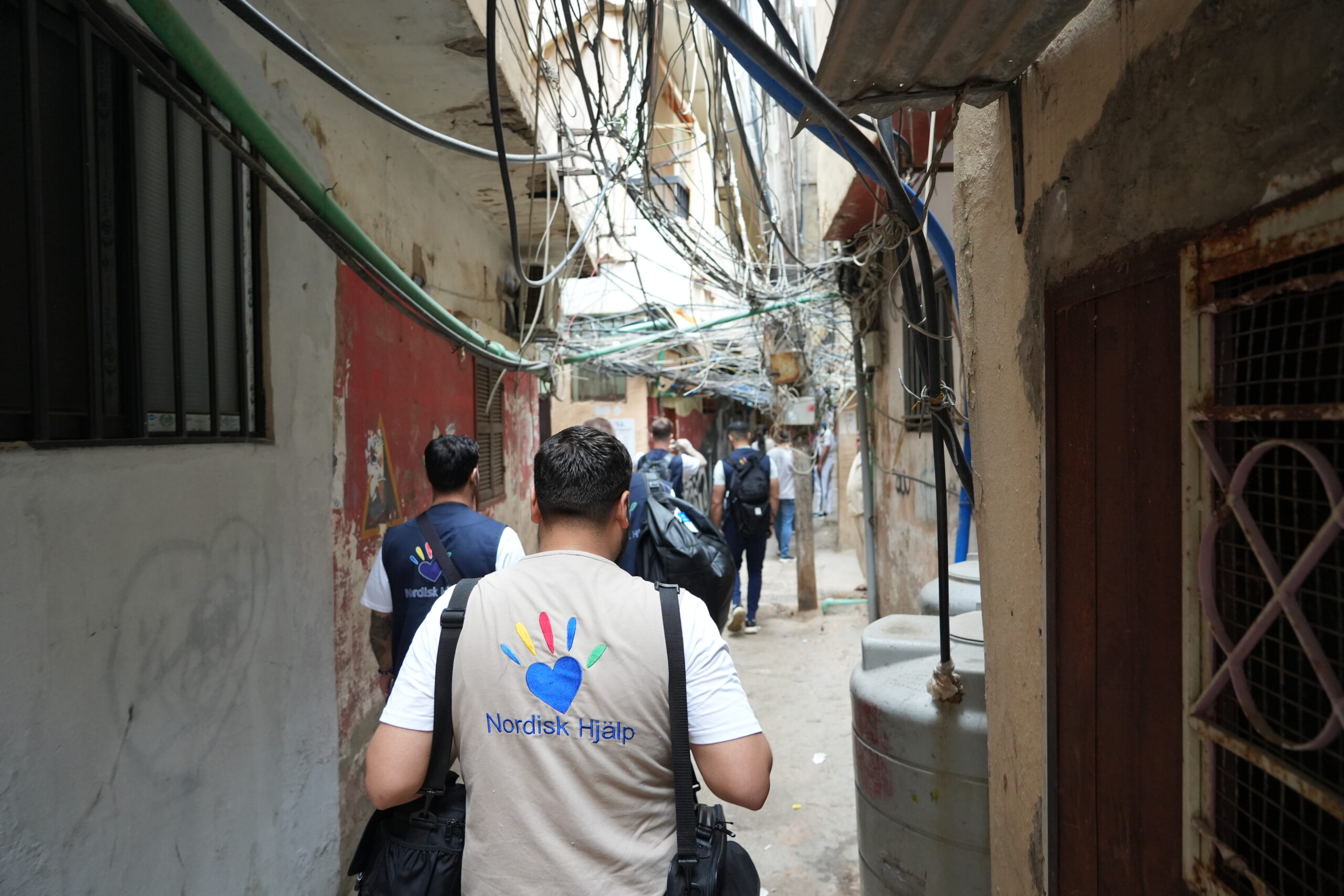
This spring, Nordisk Hjälp was on the ground in Lebanon alongside Swedish and Norwegian volunteers, ambassadors, and local partners to monitor ongoing efforts and continue their work to assist people in need.
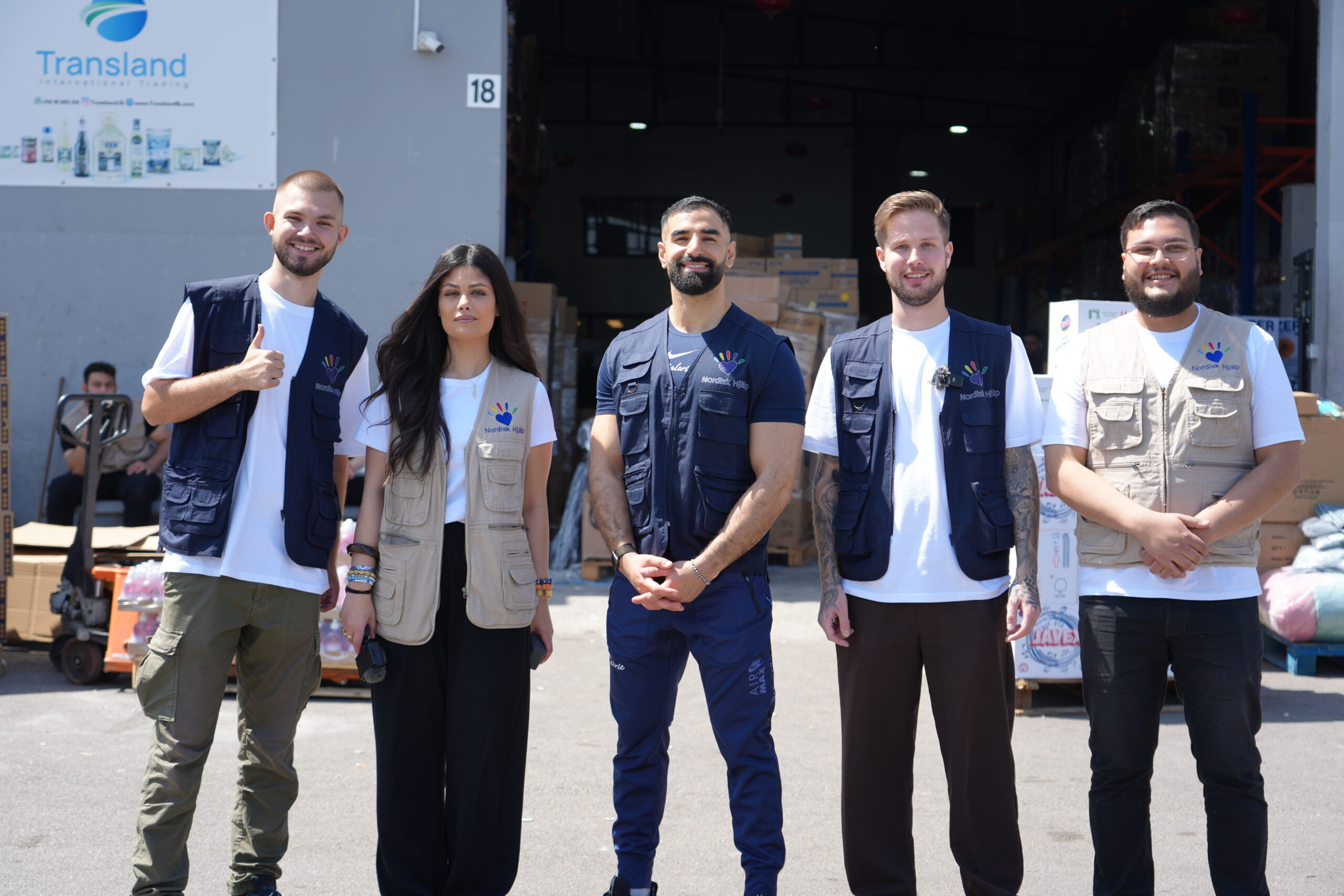
Joining the trip were Mohammad Taki, Jesper Hedlund, Nicholas Thon, and Alan Mahmud, along with Nordisk Hjälps and local volunteers in Lebanon.


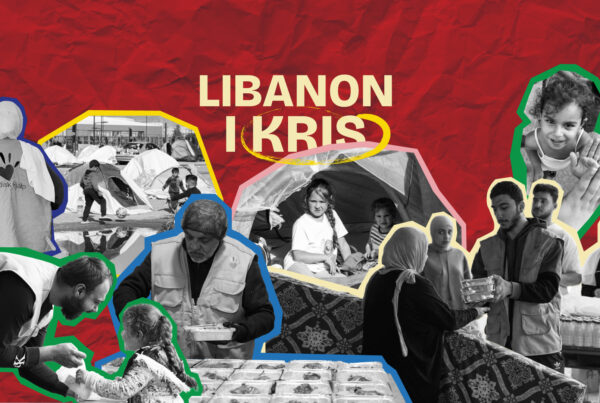
The situation in Lebanon remains very difficult. Today, an estimated 1.2 million people in the country are internally displaced, which is roughly 20 percent of the population. Many families are living in temporary shelters, schools, and tent camps after being forced to leave their homes due to the situation in southern Lebanon.
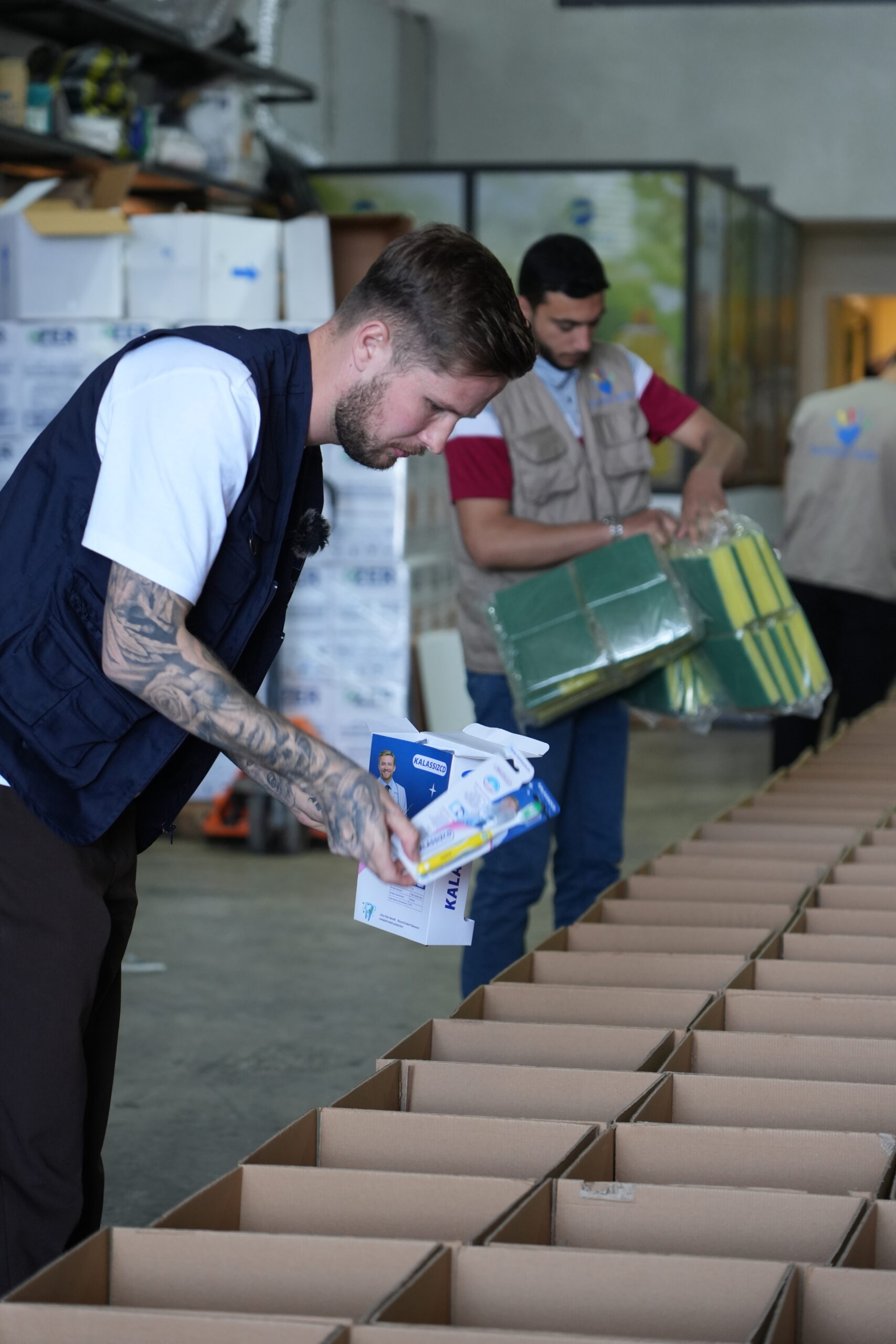
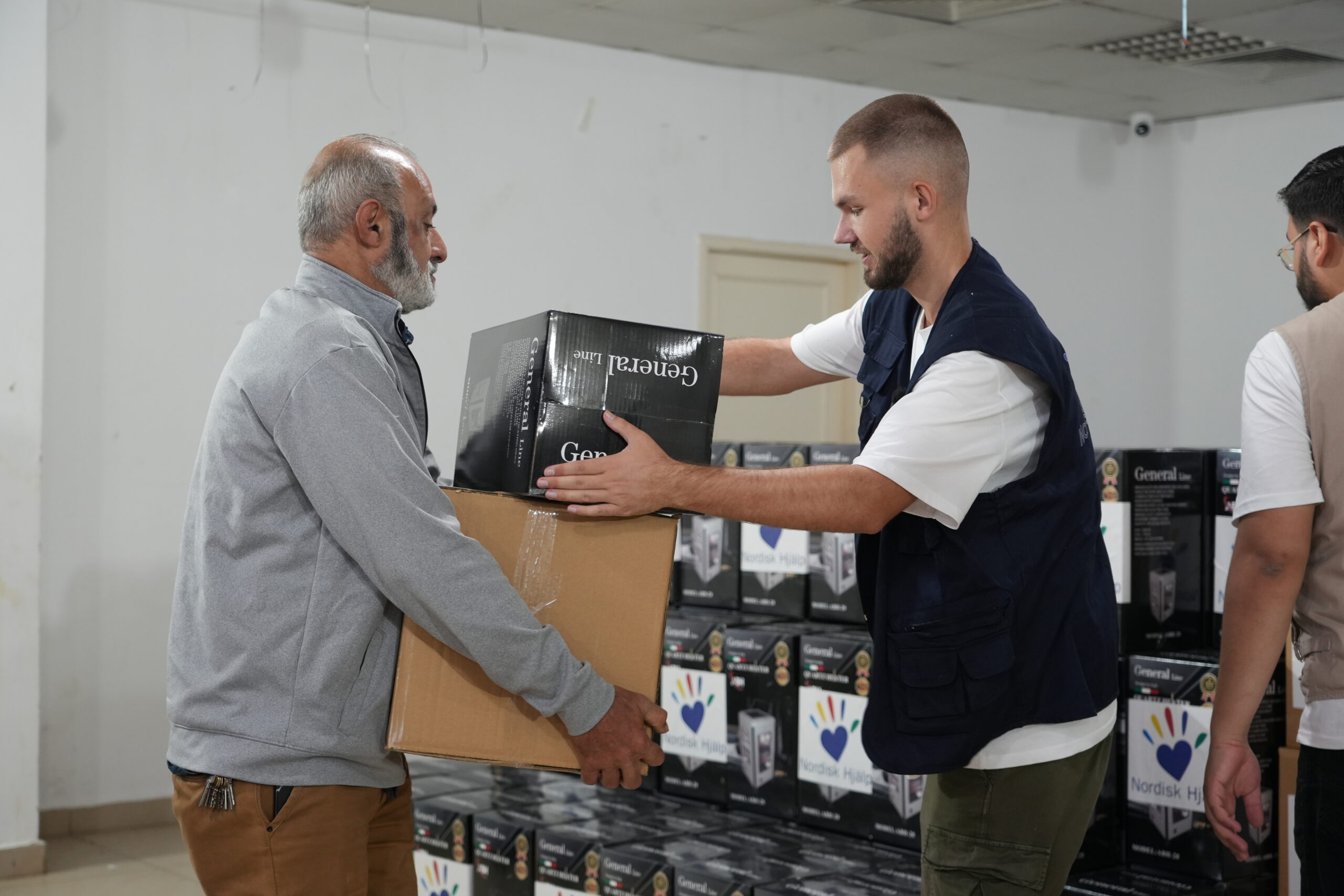
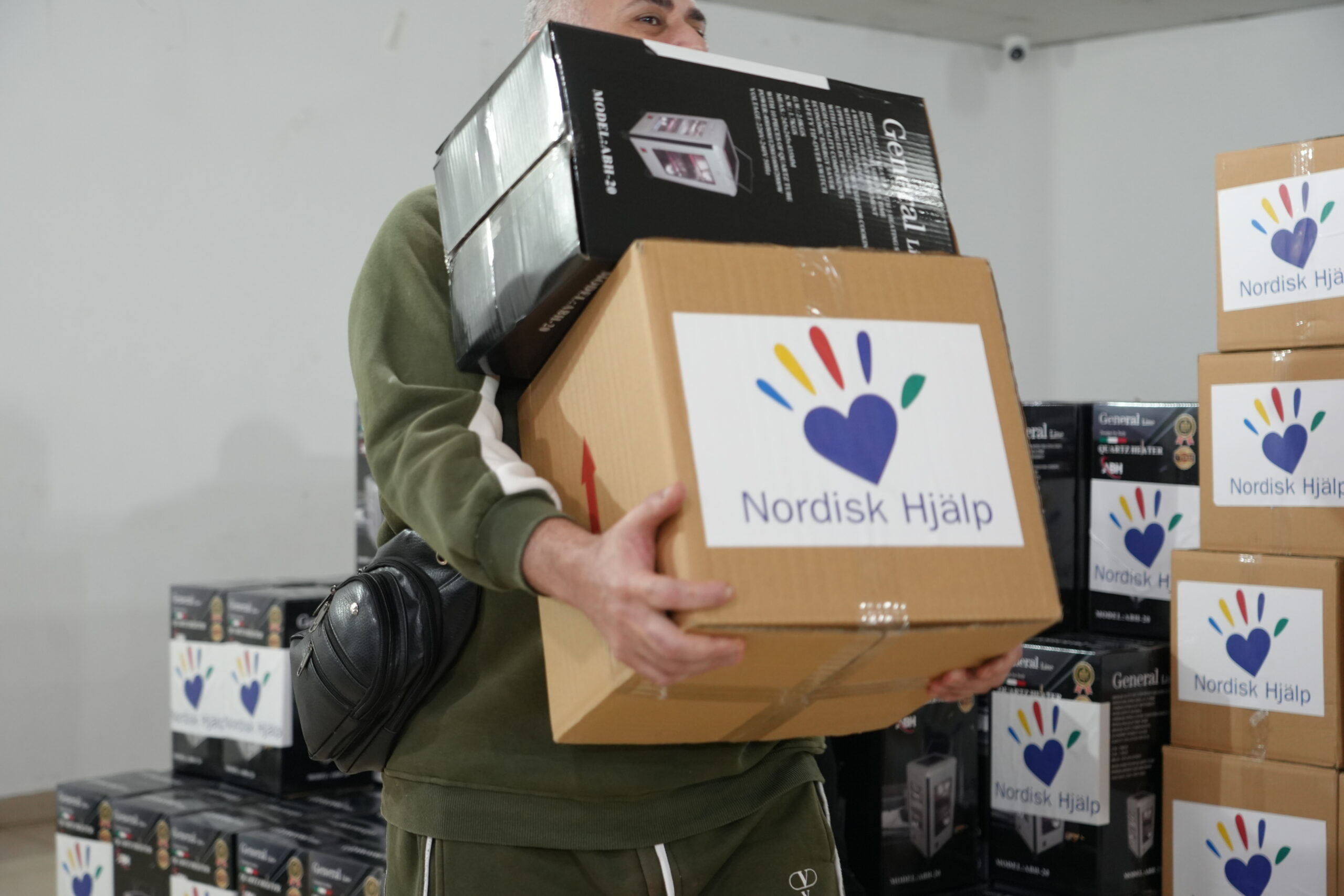
During the first few days of the trip, several aid distributions were carried out in areas such as Saida, Tyros, and Burj Al Barajneh in Beirut. The team packed and distributed a total of 800 food packages, along with hygiene supplies, to families in need. Each food package was designed to provide for a family of five to six people for up to two weeks.


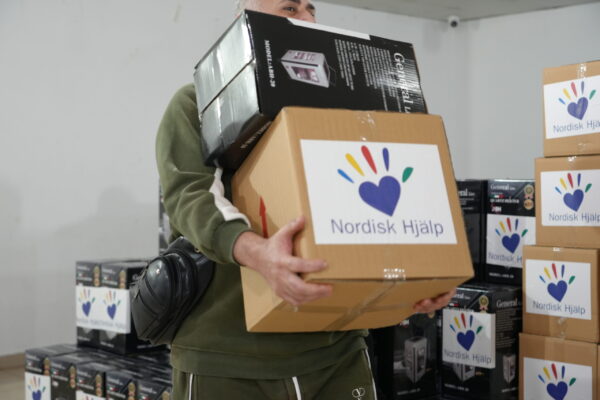
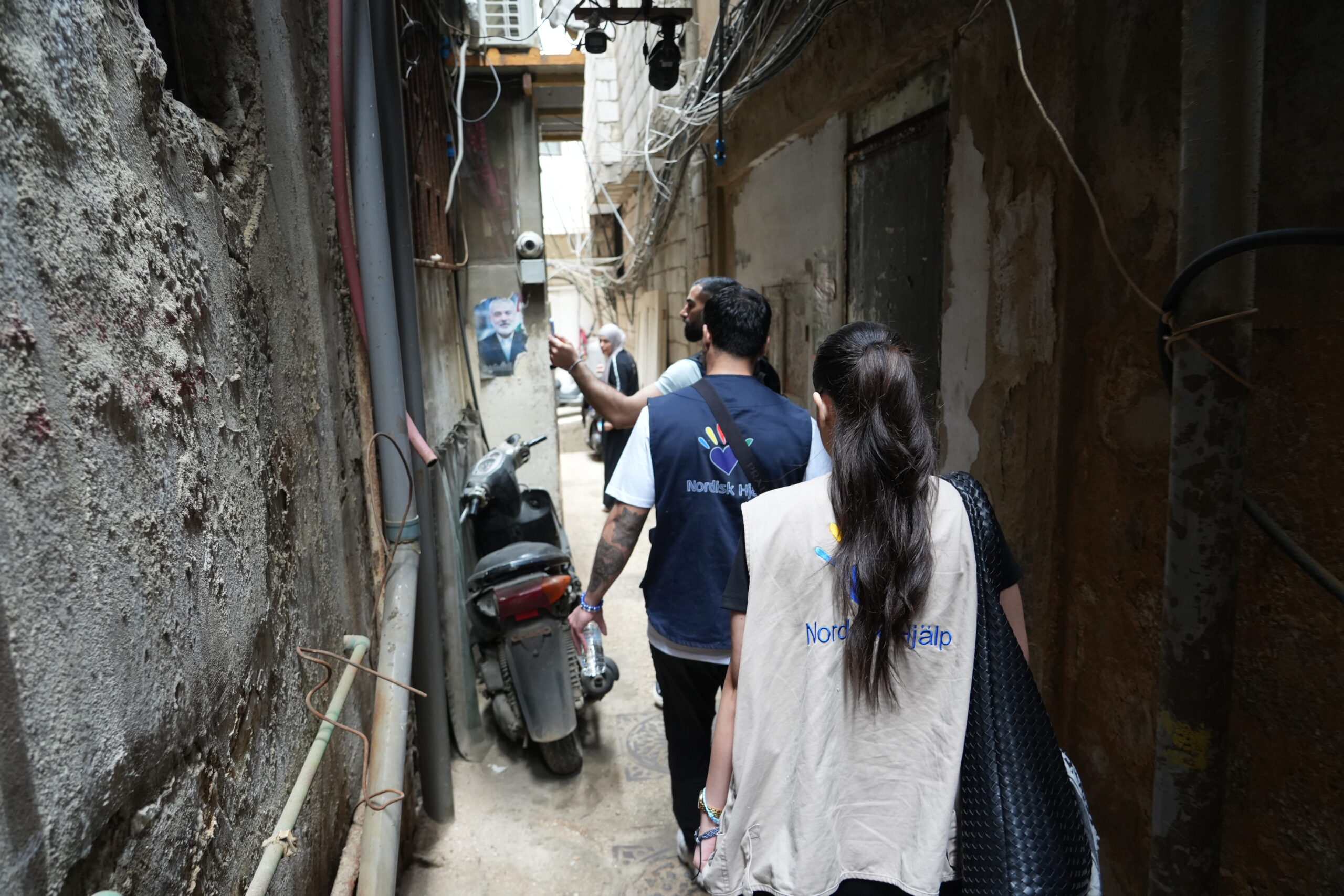
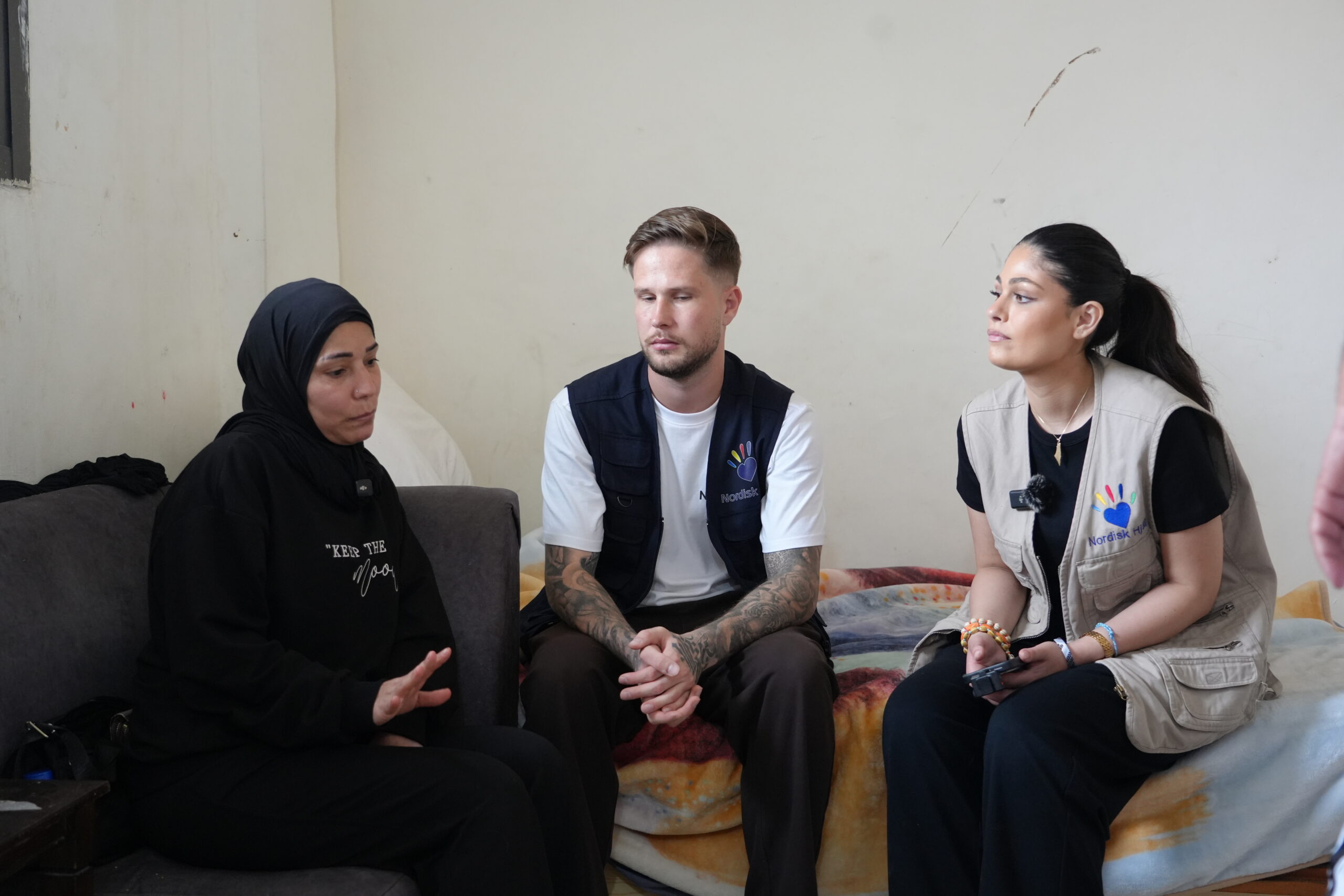
In Burj Al Barajneh, a Palestinian refugee camp that is now also home to many Lebanese families from Dahiye, the team had the opportunity to meet with families in their homes and hear stories about daily life in the camp, the uncertainty, and the challenges many face every day.
Nordisk Hjälp also visited three families in the camp to talk with them about their situation, needs, and future. For the organization, aid work is not just about distributing supplies, but also about listening, building relationships, and gaining a deeper understanding of people’s reality on the ground.
The work during the trip also placed a strong emphasis on children’s well-being, development, and future. For this reason, several visits were made to local organizations and centers that are committed to long-term work with children and young people.
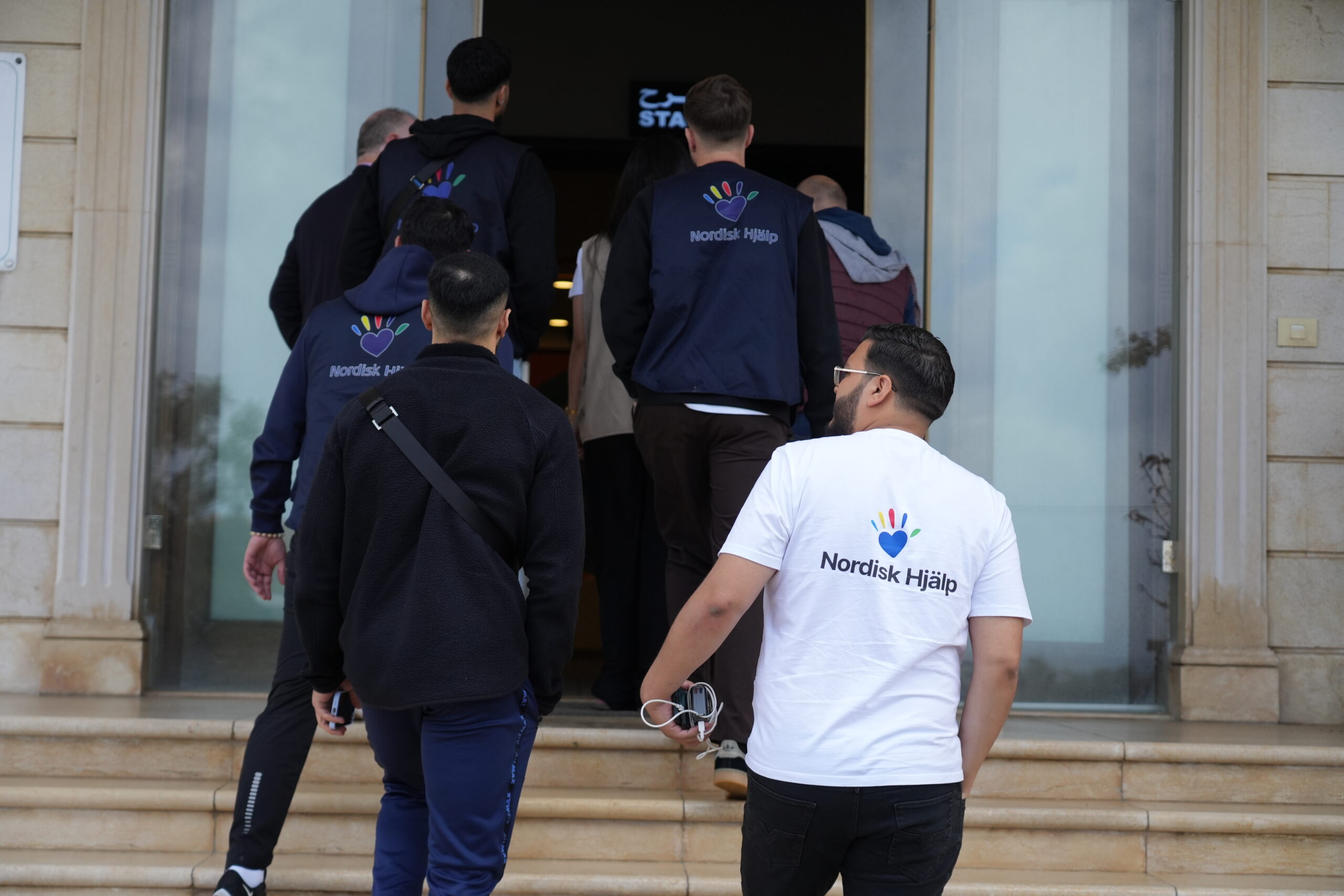
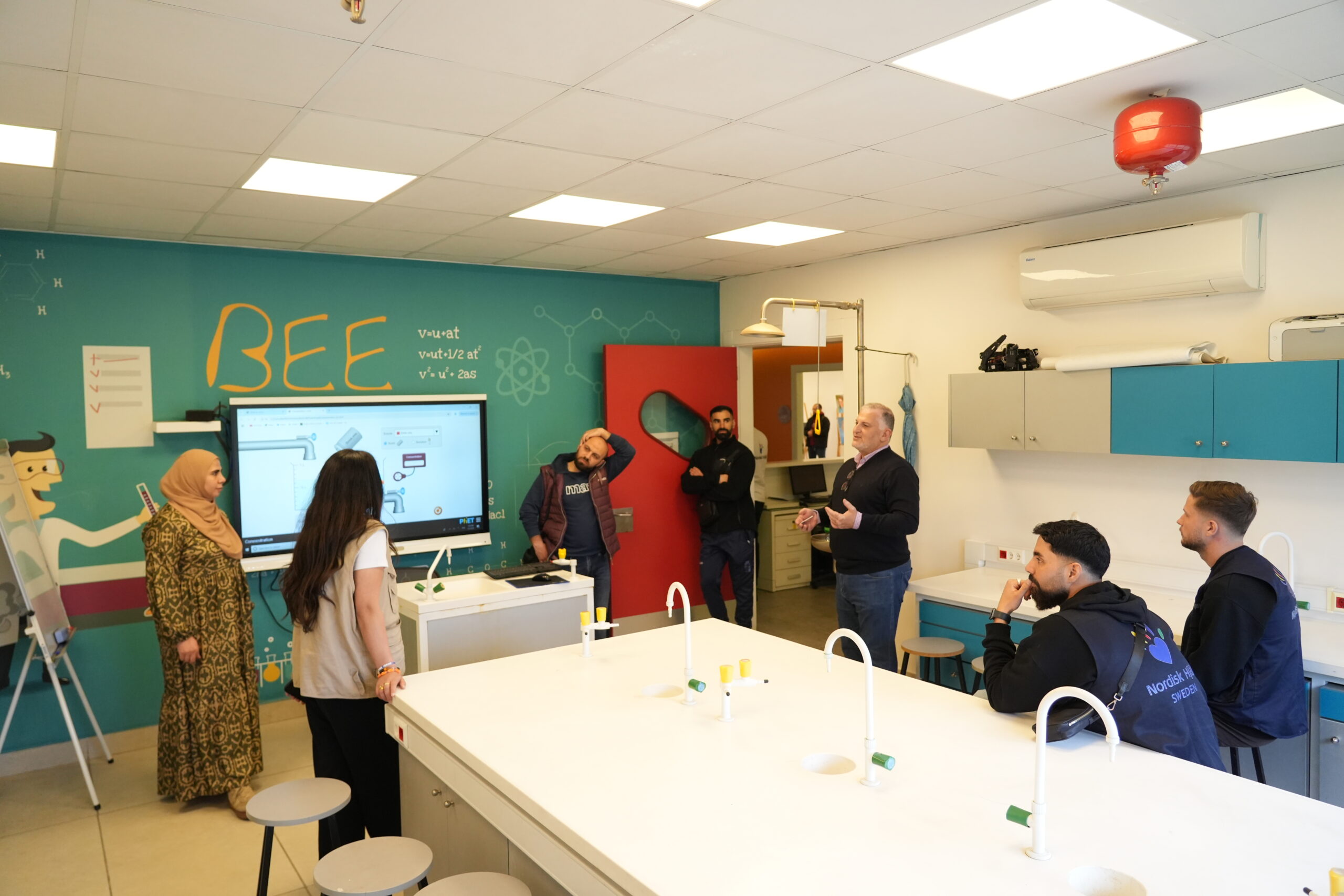
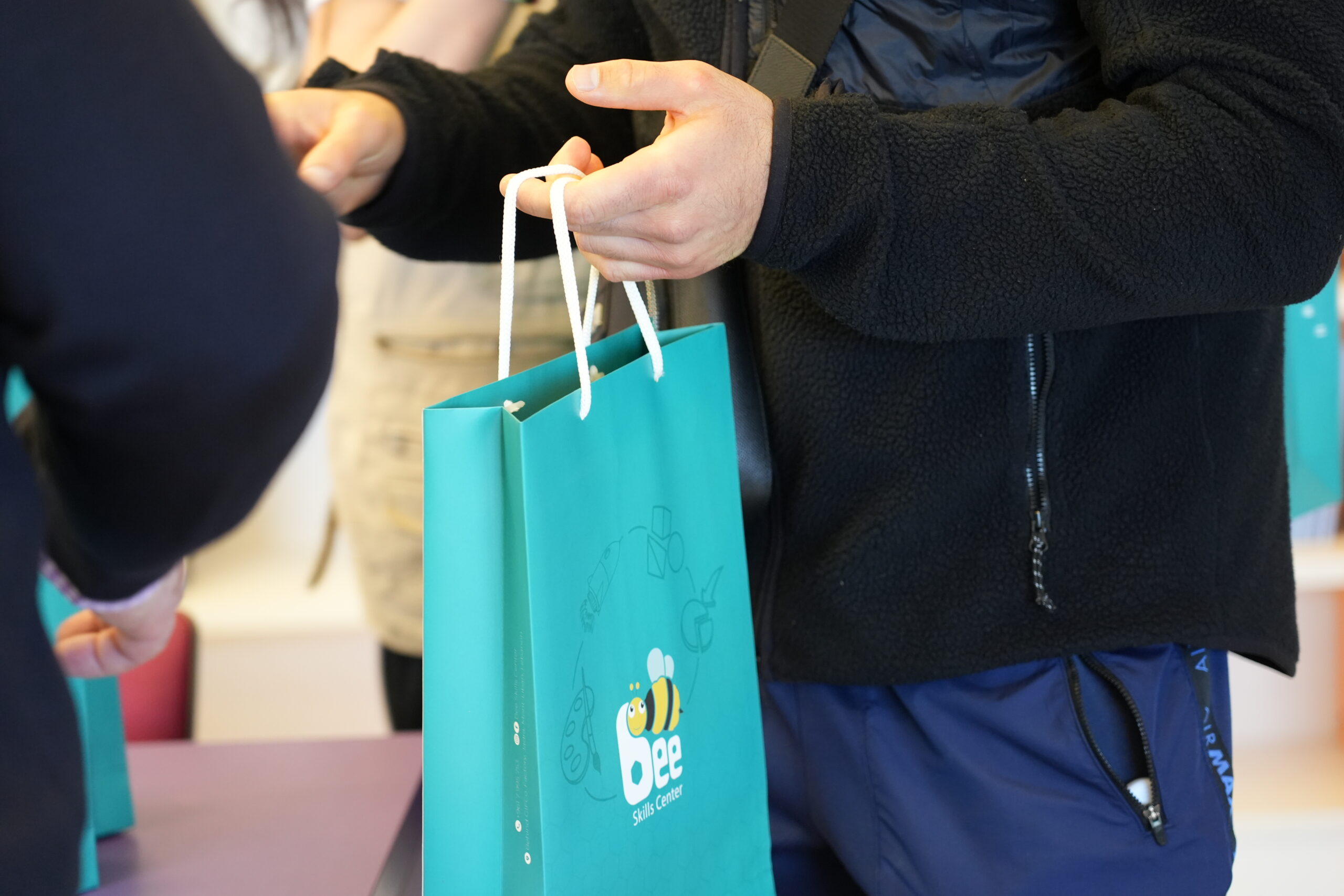
One of these was the Bee Skills Center, where the team learned about working with gifted and high-achieving children and young people. During the visit, the team toured the center’s library, learning spaces, and science labs, where children are encouraged to engage in learning, creativity, and problem-solving. The visit provided an inspiring glimpse into how education and the right support can foster hope for the future and create opportunities for the next generation.


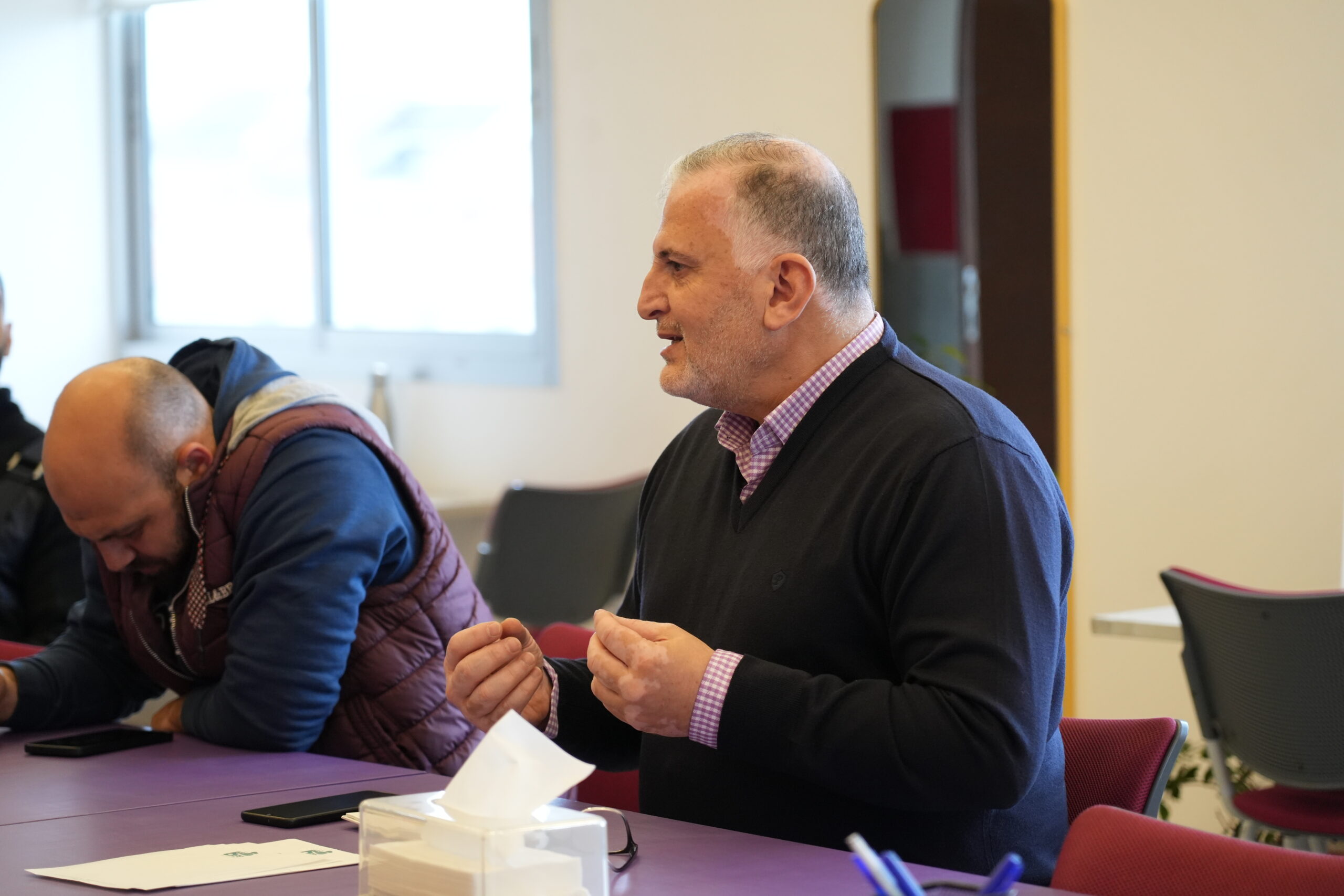
Nordisk Hjälp also visited the organization and partner Takaful for Child Welfare, where discussions were held regarding the situation of orphaned children in Lebanon and the challenges many face on a daily basis. The focus was on the importance of security, education, and long-term support for children growing up in difficult circumstances.
During the trip, Nordisk Hjälp visited the Harmony Center, where the team discussed the work being done with children living with autism, PTSD, and ADHD, with a focus on the children currently affected by the war in Lebanon. The center also offers speech therapy and support to families to help them meet their children’s needs in everyday life.
The visit provided valuable insight into how conflict, insecurity, and difficult living conditions affect children’s mental health and development, as well as the urgent need for long-term support and specialized assistance for many families in Lebanon.
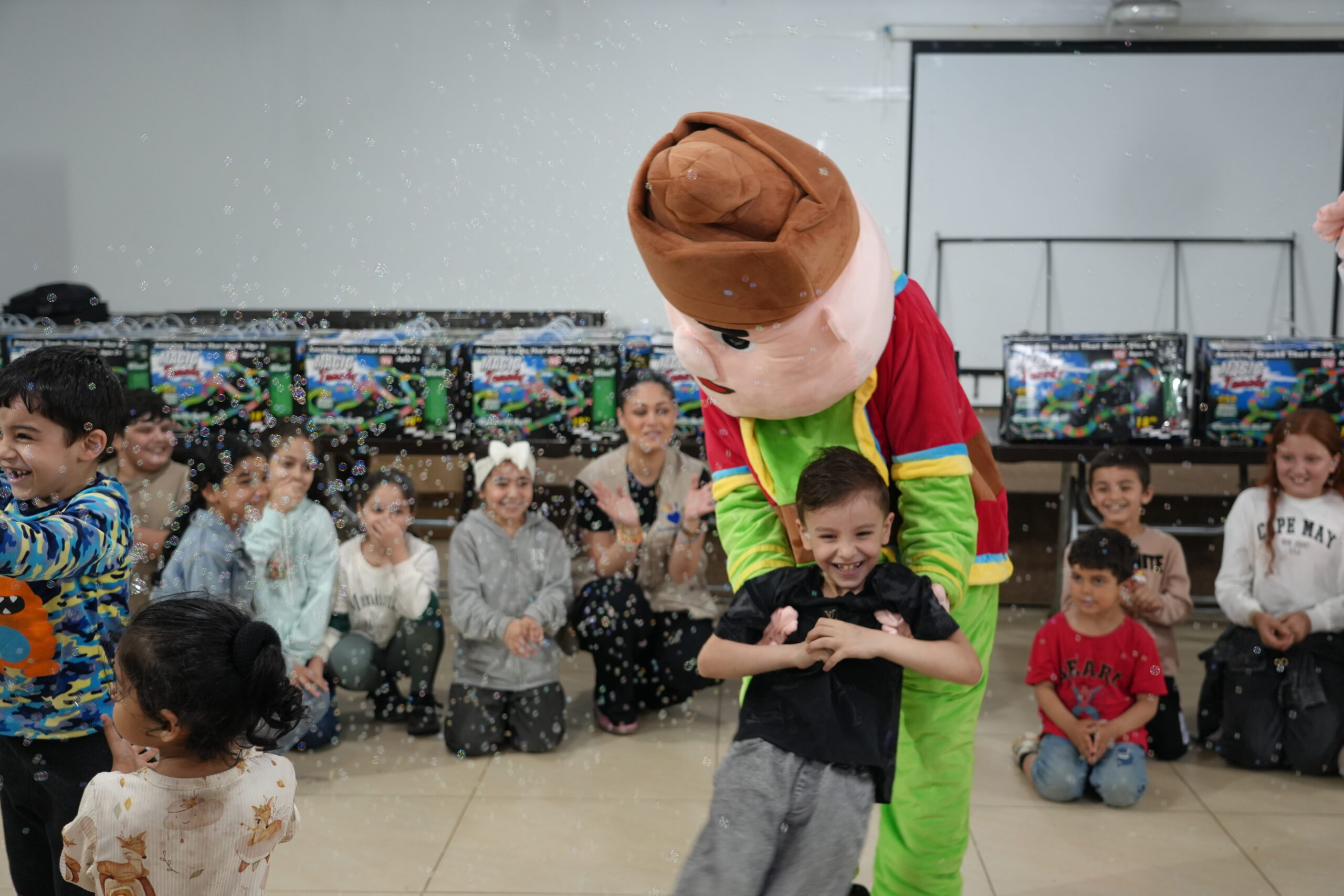
One of the days concluded with an activity for 80 orphaned children at the camp. Through play, activities, and fellowship, the children were able to experience joy and a moment of security in an otherwise difficult daily life.
Despite the difficult circumstances, the team also encountered warmth, hospitality, and a strong determination among many families to continue building a future for their children.
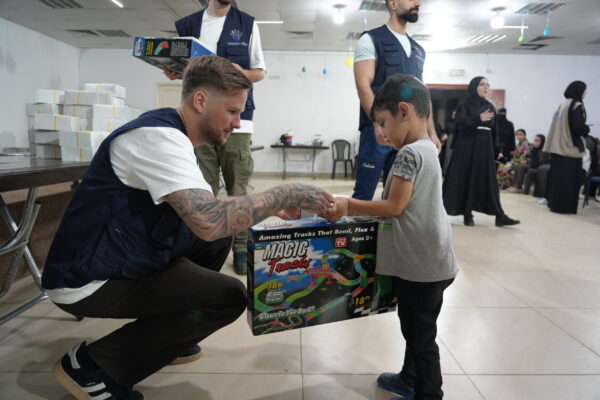


For Nordisk Hjälp a presence on site is a crucial part of its humanitarian work. By collaborating with local partners and engaging directly with people, the organization can tailor its assistance to the actual needs on the ground.
The trip to Lebanon served as yet another reminder of the importance of long-term support, a local presence, and efforts to create a more secure future for families and children in difficult circumstances.